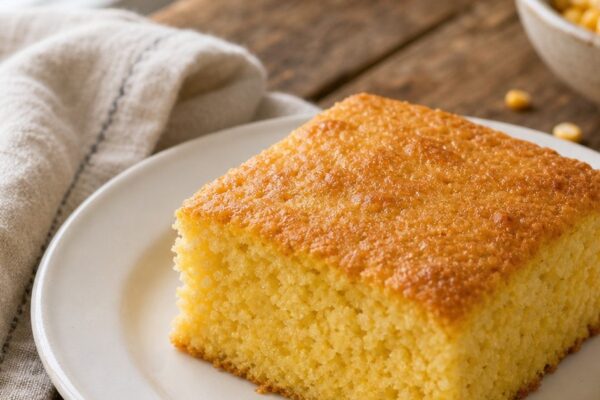

A warm biscuit split open at the table needs little more than a pat of butter or a spoonful of jam. These low sodium biscuits aim for that same pleasure: golden edges, a tender center, and little flakes that pull apart while they’re warm.
The main changes are simple. Use unsalted butter and sodium-free baking powder, then check the milk label rather than assuming every carton contains the same amount of sodium. Keep the butter cold and stop mixing before the dough turns smooth.
Low sodium biscuits at a glance
- Prep time: 10-15 minutes
- Bake time: 10-15 minutes
- Total time: 20-30 minutes, provided the oven finishes preheating during preparation
- Oven temperature: 450°F (232°C)
- Yield: 8-12 biscuits, depending on size
- Serving size: 1 biscuit
Cut the dough for a traditional shape, or make drop biscuits if you prefer less handling. Either way, bake similar-sized portions together so they finish at roughly the same time.
There’s no calculated sodium amount for this recipe. The total depends on your ingredients and the number of biscuits you make, so check labels if you follow a prescribed sodium limit.
Ingredients for low sodium biscuits
Gather everything before taking the butter out of the refrigerator.
- 2 cups (250 g) all-purpose flour, plus a little for the work surface
- 1 tablespoon sodium-free baking powder
- 1 tablespoon (12 g) granulated sugar
- 1/2 cup (1 stick or 113 g) unsalted butter, very cold and cut into small pieces
- 1 cup (240 ml) low-sodium milk, dairy or non-dairy
- 1/4 teaspoon salt substitute, optional
Measure the baking powder by volume unless its package provides a weight equivalent. Different formulations can have different weights.
Allergen note: The standard recipe contains wheat/gluten and dairy. Almond milk introduces a tree-nut allergen, while soy milk introduces soy. Non-dairy milk alone does not make these dairy-free because the recipe still contains butter. No eggs are required.
Some sodium-free baking powders and salt substitutes contain potassium. Ask your clinician about these products if you have kidney disease, take medicines that affect potassium, or follow a potassium restriction.
How to make low sodium biscuits
1. Heat the oven
Preheat the oven to 450°F (232°C). Line a baking sheet with parchment rated for that temperature, or use an unlined baking sheet.
Set out a large bowl, a pastry blender or two knives, and a biscuit cutter or sharp knife. Leave the butter chilled until you need it.
2. Mix the dry ingredients
Whisk together the flour, sodium-free baking powder, and sugar. Add the optional salt substitute now.
Break up any baking powder clumps so the leavener spreads evenly through the flour. Otherwise, individual bites can taste bitter, and the biscuits may rise unevenly.
3. Cut in the butter
Add the cold butter pieces. Work them into the flour with a pastry blender, two knives, or brief pinching motions with your fingertips.
Stop when the mixture looks crumbly, with some small butter pieces still visible. Don’t rub everything into a uniform powder. Those remaining pieces help create small pockets as the dough bakes.
If the butter starts feeling soft or greasy, pause and refrigerate the bowl until it feels cold again.
4. Add the milk
Pour in the milk gradually, stirring gently and scraping loose flour up from the bottom of the bowl. Stop stirring as soon as the dough comes together.
Expect a soft dough, not a smooth, elastic ball. Milk choices and flour measurements affect the texture. If the dough feels too sticky to roll, use the drop-biscuit method below rather than working in lots of extra flour.
5. Shape the dough
Turn the dough onto a lightly floured surface. Gently bring any loose pieces together, then pat or roll it to about 1/2 inch (1.3 cm) thick.
Cut into 8-12 biscuits. Press a cutter straight down and lift it without twisting. Alternatively, cut squares with a knife to avoid scraps.
Gather scraps gently for another cut. Repeated rolling can make those last biscuits tougher than the first ones.
6. Bake
Arrange the biscuits 1-2 inches (2.5-5 cm) apart on the baking sheet.
Bake for 10-15 minutes, checking toward the earlier end of that range. Look for golden tops, lightly browned bottoms, and centers that no longer look wet or doughy.
Larger biscuits may need longer than smaller ones. If you’re unsure, split one open to check the center. Let them settle briefly before serving warm.
Getting a tender crumb
Cold butter matters, but it cannot undo heavy mixing. Once you add milk, repeated stirring and kneading develop the flour’s gluten, which can make biscuits chewy.
For tender low sodium biscuits, handle the dough only enough to bring it together and shape it. A slightly uneven surface is fine. There’s no need to knead until it looks polished.
Measure the flour carefully, too. Spoon it into the measuring cup and level the top, or use the gram measurement. Scooping directly from a packed flour bag can add more flour than intended.
If the biscuits barely rise, check the baking powder’s expiration date and storage instructions. Sodium-free baking powder still needs to be fresh and suitable for the recipe’s measured amount.
Variations and practical swaps
Drop biscuits
For low sodium biscuits without rolling, spoon the mixed dough into 8-12 similar-sized mounds on the prepared sheet. Keep the same spacing and oven temperature.
Begin checking after 10 minutes. Rough tops can brown unevenly, so check the centers as well as the edges before removing the pan.
Buttermilk
Replace the milk with 1 cup (240 ml) low-sodium buttermilk, checking the label carefully. Buttermilk often contains more sodium than regular milk.
For a soured-milk alternative, put 1 tablespoon white vinegar or lemon juice in a measuring cup. Add milk to reach 1 cup total, then let it stand for 5 minutes. This keeps the liquid quantity consistent.
Cheddar
Add 1/2 cup (50 g) shredded extra-sharp cheddar to the dry mixture before adding the milk.
Cheese adds sodium as well as dairy. Include that contribution when deciding whether this variation suits your needs.
Non-dairy milk
Use the same amount of an unsweetened, low-sodium non-dairy milk. A sweetened or vanilla-flavored product will change the taste.
Check the carton for allergens and sodium. Keep in mind that the butter remains a dairy ingredient.
Storage and reheating
Cool low sodium biscuits on a rack before sealing them in an airtight container. Trapped steam can leave the crust damp.
Keep them at cool room temperature for up to 2 days, or refrigerate for up to 5 days. In a hot or humid kitchen, choose the refrigerator. Discard any biscuits showing mold.
Reheat in a 300°F (150°C) oven for 5-10 minutes, until warm through. A loose foil covering helps limit further browning.
For longer storage, freeze the cooled biscuits in a freezer-safe container for 2-3 months for best quality. Thaw covered at room temperature, then reheat. Frozen biscuits will need longer to warm through.
Don’t taste the raw dough: uncooked flour can carry harmful bacteria. Wash your hands and clean utensils after handling it.
Frequently asked questions
Can I use regular baking powder?
It will leaven the dough, but it adds sodium and changes the recipe’s suitability for a sodium-restricted diet. Choose a product specifically labeled sodium-free.
Can I use salted butter?
Salted butter adds sodium. Stick with unsalted butter when making low sodium biscuits, and check the other ingredient labels as well.
Why did my biscuits turn out tough?
Too much flour or excessive handling are common causes. Measure carefully, stir briefly after adding milk, and avoid repeatedly rolling the scraps.
Do I need the salt substitute?
No. Leave it out without changing the other quantities. It affects seasoning rather than the dough’s structure.
What should I serve with them?
Try jam, fruit preserves, or a low-sodium soup. Check toppings separately: gravy, cheese, and salted butter can add substantial sodium to the finished meal.