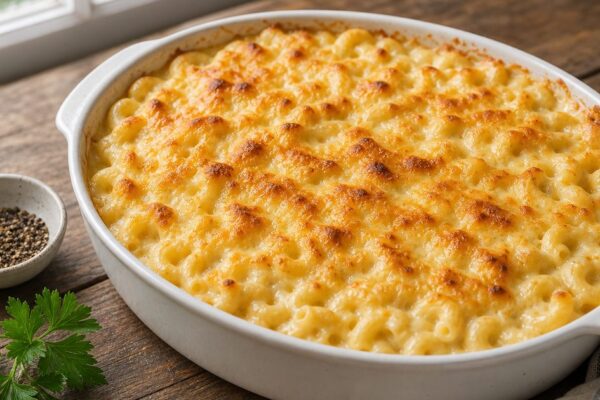
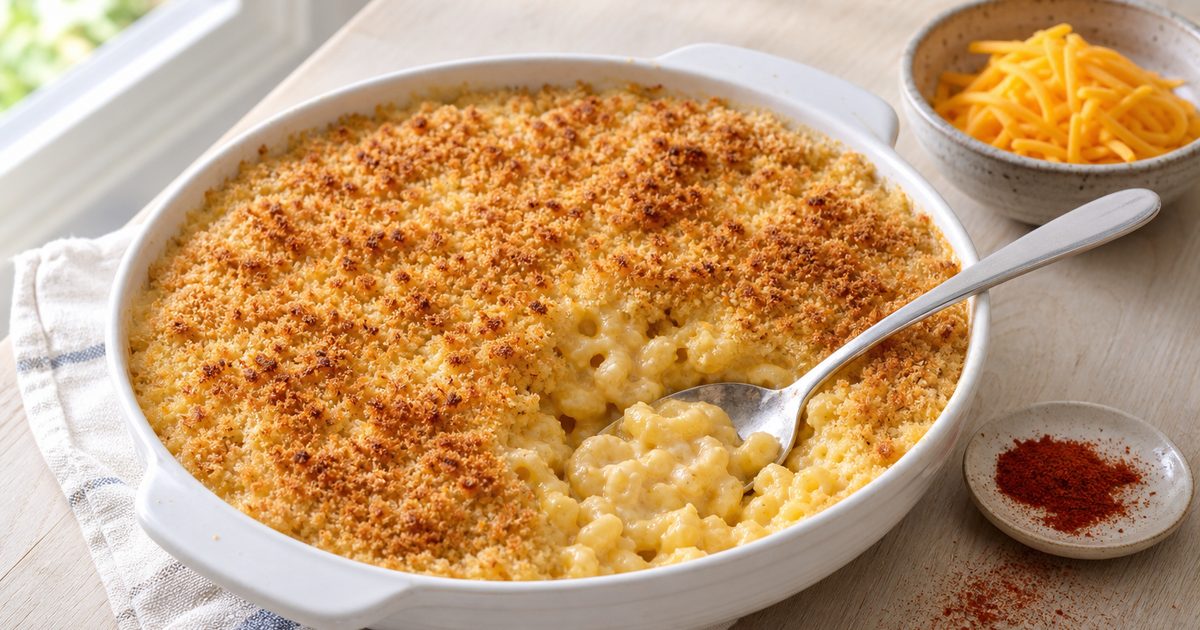
Some nights, boxed macaroni sounds tempting right up until you remember the salt. This low sodium mac and cheese keeps the part you actually want: tender pasta in a creamy cheese sauce, with an optional crisp topping if you like it baked.
The recipe uses unsalted butter, unsalted pasta water, and a cheese blend that gives good flavor without leaning so hard on sodium. It takes about 5 to 10 minutes to prep. Cook time is about 25 to 30 minutes on the stovetop, or 35 to 45 minutes if you finish it in the oven. You’ll get 4 to 6 servings.
Traditional boxed versions can be surprisingly salty. Making low sodium mac and cheese at home gives you more control, and it still tastes like comfort food.
Ingredients for low sodium mac and cheese
For 4 to 6 servings, you will need:
- 3/4 pound (340 g) elbow macaroni or similar pasta
- 3 tablespoons (42 g) unsalted butter, divided
- 3 tablespoons (28 g) all-purpose flour
- 2 1/2 cups (590 ml) milk, whole, 2%, or 1%
- 1 1/2 cups (150 g) shredded sharp cheddar cheese, low sodium if available
- 1 cup (100 g) shredded Swiss cheese
- 1 teaspoon garlic powder
- 1/2 teaspoon ground mustard or dry mustard
- 1/2 teaspoon smoked paprika or paprika
- 1/4 teaspoon ground black pepper, or to taste
- 1 cup (65 g) plain low-sodium panko breadcrumbs, optional
- 2 tomatoes, thinly sliced, optional
Allergen note: this recipe contains dairy and gluten. The milk, cheese, and butter contain dairy. The pasta, flour, and panko contain gluten.
Why this low sodium mac and cheese works
Sharp cheddar gives this dish its classic mac and cheese flavor. Swiss helps the sauce melt smoothly and is often lower in sodium than many other cheeses. Garlic powder, mustard, paprika, and black pepper build flavor without reaching for the salt shaker.
One small choice makes a big difference here: cook the pasta in unsalted water. In many pasta dishes, salting the water is automatic. For low sodium mac and cheese, skipping that step helps keep the whole dish in line with a reduced-sodium meal.
The milk is flexible too. Whole milk makes the richest sauce, but 2% and 1% still work well. If you bake the pasta, the toasted panko adds crunch, and the sliced tomatoes soften on top and add a little freshness.
How to make low sodium mac and cheese
Stovetop method
-
Bring a large pot of water to a boil. Do not salt it. Add the macaroni and cook until al dente, following the package directions, usually about 8 minutes. Drain well and set aside.
-
While the pasta cooks, melt 2 tablespoons (28 g) of the butter in a large saucepan or deep skillet over medium heat.
-
Add the flour and whisk constantly for 1 to 2 minutes. The mixture should look smooth and pale tan. You want to cook off the raw flour taste, but do not let it brown deeply.
-
Pour in the milk gradually, about 1/2 cup at a time, whisking well after each addition. Keep cooking and whisking until the sauce thickens enough to coat a spoon.
-
Turn the heat to low. Stir in the garlic powder, mustard, paprika, and black pepper.
-
Take the pan off the heat. Add the cheddar and Swiss. Stir until the cheese melts and the sauce turns smooth.
-
Add the drained macaroni and stir until the pasta is evenly coated.
Serve it right away for a creamy stovetop version of low sodium mac and cheese.
Baked method
-
Heat the oven to 375°F (190°C).
-
Make the recipe through the stovetop steps above.
-
Transfer the macaroni and cheese to a 10-inch cast-iron skillet or a similar oven-safe baking dish.
-
Melt the remaining 1 tablespoon (14 g) butter in a small skillet. Add the panko and cook for a few minutes, stirring, until golden.
-
Scatter the toasted crumbs over the pasta. Add the sliced tomatoes on top, if using.
-
Bake for 18 to 20 minutes, until the edges bubble and the topping turns golden.
-
Let it sit for a few minutes before serving. The sauce will settle slightly and scoop more neatly.
The key step for smooth low sodium mac and cheese
If your cheese sauce has ever turned grainy or lumpy, the problem usually starts before the cheese goes in.
First, whisk the butter and flour until the roux looks smooth. Then add the milk slowly instead of dumping it in all at once. Whisk after each addition. That steady pace helps the flour absorb liquid evenly, so the sauce thickens without lumps.
The other important move is taking the pan off the heat before you stir in the cheese. High heat can make cheese tighten up and turn grainy. A warm sauce melts the cheese gently and gives you the creamy texture you want in low sodium mac and cheese.
Common mistakes to avoid
The easiest mistake is salting the pasta water out of habit. Skip it here.
Another common issue is using whatever cheese is in the fridge without checking the label. If you are trying to keep sodium lower, Swiss is a smart choice, and low-sodium cheddar works well if you can find it.
Rushing the sauce can also cause trouble. If you add the milk too fast, the roux can clump. If the heat is too high when the cheese goes in, the sauce can break.
One more thing: shred the cheese yourself if possible. Pre-shredded cheese often contains anti-caking agents that can make the sauce a little less smooth.
Variations and substitutions for low sodium mac and cheese
This recipe is easy to adjust as long as you keep the basic sauce method.
You can swap in other cheeses if they fit your needs. Gruyère adds a deeper, nuttier flavor. Mozzarella makes the sauce milder and stretchier. Pepper Jack adds heat, though sodium levels vary by brand, so check the package if that matters for your meal plan.
A few add-ins work nicely too:
- steamed broccoli florets
- sautéed mushrooms
- caramelized onions
If you want extra protein, stir in shredded unsalted cooked chicken or low-sodium bacon bits.
You can also make a few practical substitutions:
- Use gluten-free pasta and gluten-free all-purpose flour for a gluten-free version.
- Add a spoonful of nutritional yeast for extra savory flavor.
- Replace part of the milk with unsalted chicken broth if you want a lighter, more savory sauce.
Searches for a healthy mac and cheese recipe often focus on cutting salt without losing comfort. This version does that by changing the ingredients, not by watering down the sauce.
Best milk choices for low sodium mac and cheese
Whole, 2%, and 1% milk all work here. Whole milk gives the fullest texture. Two percent still makes a creamy sauce. One percent works too, though the final dish will feel a little lighter.
If you want a richer result without changing the ingredient list much, choose whole milk and bake the dish. If you want something a bit lighter for a weeknight dinner, use 2% or 1% and serve it straight from the stove.
Storage and reheating
This macaroni and cheese is best the day you make it, when the sauce is smooth and the topping is still crisp.
Store leftovers in an airtight container in the refrigerator for up to 4 days. Let the dish cool before refrigerating, but do not leave it at room temperature for more than 2 hours.
To reheat, warm it gently in the microwave in short bursts, stirring between each one if possible. You can also reheat it in a 350°F (175°C) oven until hot all the way through. If the sauce looks thick, stir in a small splash of milk before reheating.
Freezing is not the best option for this low sodium mac and cheese. Cheese sauces often separate after thawing, and the texture turns grainy.
Food safety notes
This recipe does not contain meat or eggs, so there is no internal temperature target to check. If you add cooked chicken or bacon, chill leftovers promptly and reheat until steaming hot.
If you use pre-sliced or pre-shredded cheese, keep it refrigerated until you need it. Dairy-based sauces should not sit out for long, especially in a warm kitchen.
FAQ about low sodium mac and cheese
Can I make low sodium mac and cheese ahead of time?
Yes, but it tastes best fresh. If you want to prep ahead, make the sauce and pasta, combine them, and refrigerate. Add the breadcrumb topping just before baking so it stays crisp.
What cheeses are best for low sodium mac and cheese?
Swiss is a good choice because it often has less sodium than many other cheeses. Low-sodium cheddar works well too. If you try mozzarella or Gruyère, check the label since sodium levels vary.
How do I add flavor without salt?
Garlic powder, dry mustard, paprika, black pepper, and good cheese do a lot of the work here. Toasted breadcrumbs and tomatoes on top also add contrast, which helps the dish taste more lively.
Can I bake low sodium mac and cheese instead of serving it from the stove?
Yes. Once the pasta is coated in sauce, transfer it to an oven-safe dish, top with toasted panko, and bake at 375°F (190°C) for 18 to 20 minutes.
Can I make this recipe gluten-free?
Yes, if you use gluten-free pasta and a gluten-free all-purpose flour blend. Also check the breadcrumbs if you want the baked topping.