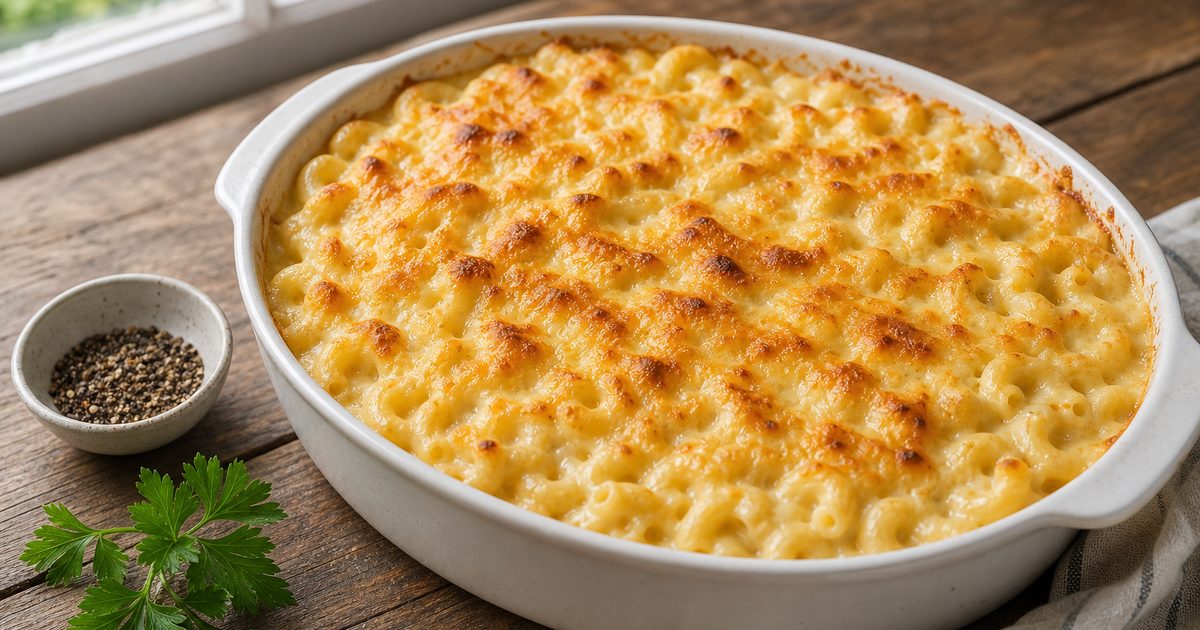
When a pan of mac and cheese comes out creamy instead of chalky, you do not miss the extra salt nearly as much as people think. The sauce does the heavy lifting here. This low salt mac and cheese leans on a smooth roux, gentle spices, and good melting cheese for flavor, then finishes with a browned top if you want to bake it. It is cozy, simple, and flexible enough for a quick stovetop dinner or a casserole-style side.
This recipe makes 4 to 6 servings. Prep time is 5 to 15 minutes, cook time is 12 to 30 minutes, and total time is about 30 to 45 minutes.
Ingredients for low salt mac and cheese
- 8 to 12 oz elbow macaroni or other pasta
- 2 to 3 Tbsp unsalted butter
- 2 to 3 Tbsp all-purpose flour
- 1.5 to 3 cups milk, 1% or whole
- 1/2 cup finely diced yellow onion, optional
- 1 large egg, optional
- 1 bay leaf, optional
- 1/2 to 1 tsp paprika
- 1/2 to 1 tsp ground mustard or dry mustard
- 1/2 to 1 tsp garlic powder
- 1/4 to 1/2 tsp black pepper, freshly ground
- 1.5 to 2 cups shredded low-sodium cheese, such as Swiss, Gruyere, or a low-sodium cheddar blend
- 1/2 cup panko breadcrumbs, optional
- 1 to 2 Tbsp unsalted butter, optional, for topping
- 1/2 tsp Dash Garlic & Herb Seasoning, optional
- 1/2 cup sour cream, optional
- 2 oz cream cheese, optional
- 1/2 tsp ground nutmeg, optional
- 1 Tbsp olive oil, optional
Allergen note: This dish contains dairy and gluten. If you use the egg, it also contains egg.
How to make low salt mac and cheese
-
Heat the oven if baking. Preheat the oven to 350°F.
-
Cook the pasta. Bring a large pot of unsalted water to a boil. Add the pasta and cook until al dente, about 8 minutes or according to the package. Drain and set aside.
-
Start the sauce base. In a pot or large skillet, melt 2 to 3 tablespoons unsalted butter over medium-low heat. If you are using the onion, cook it in the butter first until softened.
-
Make the roux. Whisk in 2 to 3 tablespoons flour. Cook, whisking, for 1 to 5 minutes until the mixture looks smooth and lightly cooked.
-
Add the milk slowly. Pour in the milk a little at a time, whisking well after each addition. This is the step that keeps the sauce silky. Once all the milk is in, cook and whisk until the sauce thickens.
-
Season the sauce. Stir in the paprika, mustard, garlic powder, and black pepper. Add the bay leaf or nutmeg here if you are using them. Simmer for 5 to 10 minutes, then remove the bay leaf.
-
Add the egg carefully, if using. Take the pan off the heat first. Let the sauce stop bubbling. Then whisk in the egg slowly. This helps it blend into the sauce instead of scrambling. Because the egg is not fully cooked before it goes into the sauce, make sure the finished dish is heated until hot all the way through.
-
Melt in the cheese. Stir in the shredded cheese until smooth. If you want a richer texture, stir in the sour cream or cream cheese now.
-
Combine with the pasta. Add the drained pasta and stir until coated.
-
Choose stovetop or baked. For stovetop mac and cheese, serve it now while hot and creamy. For baked low salt mac and cheese, transfer it to a 2-quart casserole dish or oven-safe skillet.
-
Add the topping, if using. Melt 1 to 2 tablespoons butter in a small skillet. Toss with the panko and Dash Garlic & Herb Seasoning. Scatter over the pasta.
-
Bake. Bake for 18 to 30 minutes, until the edges bubble and the top turns golden.
-
Rest before serving. Let it sit for a few minutes so the sauce settles.
Why this low salt mac and cheese works
A lower sodium pasta dish can taste flat if the sauce is thin or grainy. That is why the method matters so much here.
The roux gives the sauce body. The slow milk addition keeps it smooth. Then the cheese melts into a base that already has structure, which helps prevent clumps and oiliness. If you have ever made homemade macaroni and cheese that broke or turned pasty, this order fixes a lot of that.
The seasoning also earns its place. Mustard sharpens the cheese flavor. Paprika adds warmth. Garlic powder and black pepper fill in the gaps that salt usually covers. If you bake it, the browned panko topping adds texture and a little toasted flavor, which makes each bite more interesting.
Tips for the best low salt mac and cheese
A few small choices make this recipe better.
Use freshly shredded cheese if you can. Pre-shredded cheese often contains anti-caking agents that can make the sauce less smooth.
Do not rush the milk. Add a splash, whisk it smooth, then add more. If you pour it all in at once, lumps are more likely.
Keep the heat moderate. High heat can make dairy sauces catch on the bottom or turn grainy after the cheese goes in.
If you use the egg, take the pan off the heat first. That pause matters. A bubbling pan will cook the egg too fast.
For a softer, creamier finish, stir in the sour cream or cream cheese. For a slightly firmer casserole texture, bake it without those extras.
Variations for low salt mac and cheese
This low salt mac and cheese is easy to adjust with what you already have.
- Change the pasta: Elbow macaroni is classic, but shells and cavatappi hold sauce well too.
- Add vegetables: Steamed broccoli, sautéed mushrooms, or caramelized onions fit nicely.
- Make it heartier: Stir in shredded unsalted chicken or low-sodium bacon bits.
- Try a different topping: Skip the breadcrumbs if you want it extra creamy, or use the panko for a crisp top.
- Use a different cheese mix: Swiss and Gruyere bring more depth. Mozzarella softens the flavor and texture. Some cooks also like a little ricotta or mascarpone for creaminess if it fits their sodium needs.
- Add savory depth: A little unsalted chicken or vegetable stock can replace part of the milk, though it may slightly change the texture.
If you need a dairy-free direction, nutritional yeast can add a cheesy note, but it will not behave exactly like melted cheese in the sauce.
Serving ideas for low salt mac and cheese
This dish works as a main or a side. Serve it on its own for an easy weeknight dinner, or pair it with roasted vegetables, a crisp salad, or simple cooked greens.
If you are serving it as part of a larger meal, the baked version holds up better on the table. The stovetop version is creamier and looser, which makes it great for eating right away.
Storage and reheating
Let leftovers cool, then refrigerate them in an airtight container for 3 to 5 days. Do not leave cooked mac and cheese at room temperature for more than 2 hours.
To reheat, warm individual portions in the microwave or reheat a larger portion in the oven until steaming hot. Leftovers should reach 165°F before serving.
You can freeze it in airtight containers. For the best texture, thaw it in the refrigerator before reheating. Creamy sauces can separate a little after freezing, so stir well as it heats.
Food safety notes
This recipe does not include meat unless you add it, but a few safety basics still matter.
If you add cooked chicken, reheat it with the pasta until the whole dish reaches 165°F.
If you use bacon, cook it fully before mixing it in.
If you use the optional egg, avoid adding it to boiling sauce. Add it off the heat, then make sure the finished mac and cheese is heated through before serving.
FAQ about low salt mac and cheese
Is low salt mac and cheese bland?
It does not have to be. A good cheese sauce, mustard, paprika, garlic powder, and black pepper give this dish plenty of flavor without relying on much salt.
What cheeses work best in low salt mac and cheese?
Swiss, Gruyere, and some lower-sodium cheddar blends work well. Mozzarella can make the sauce milder and stretchier. A small amount of cream cheese or sour cream can make it richer.
Can I make low salt mac and cheese without baking it?
Yes. Once the pasta is coated in the hot sauce, you can serve it straight from the stove. It will be creamier than the baked version.
How do I add flavor without more salt?
Use onion, mustard, paprika, garlic powder, black pepper, nutmeg, or a salt-free seasoning blend. Browning the topping in the oven also adds flavor.
What pasta shape is best for low salt mac and cheese?
Elbow macaroni is the classic choice, but shells and cavatappi are great too because they catch the sauce well.